Alcor Life Extension Foundation Membership
A subscription to whole-body cryopreservation — the option to be stored at -196°C after legal death and revived if the technology to do so is developed at some point in the future.
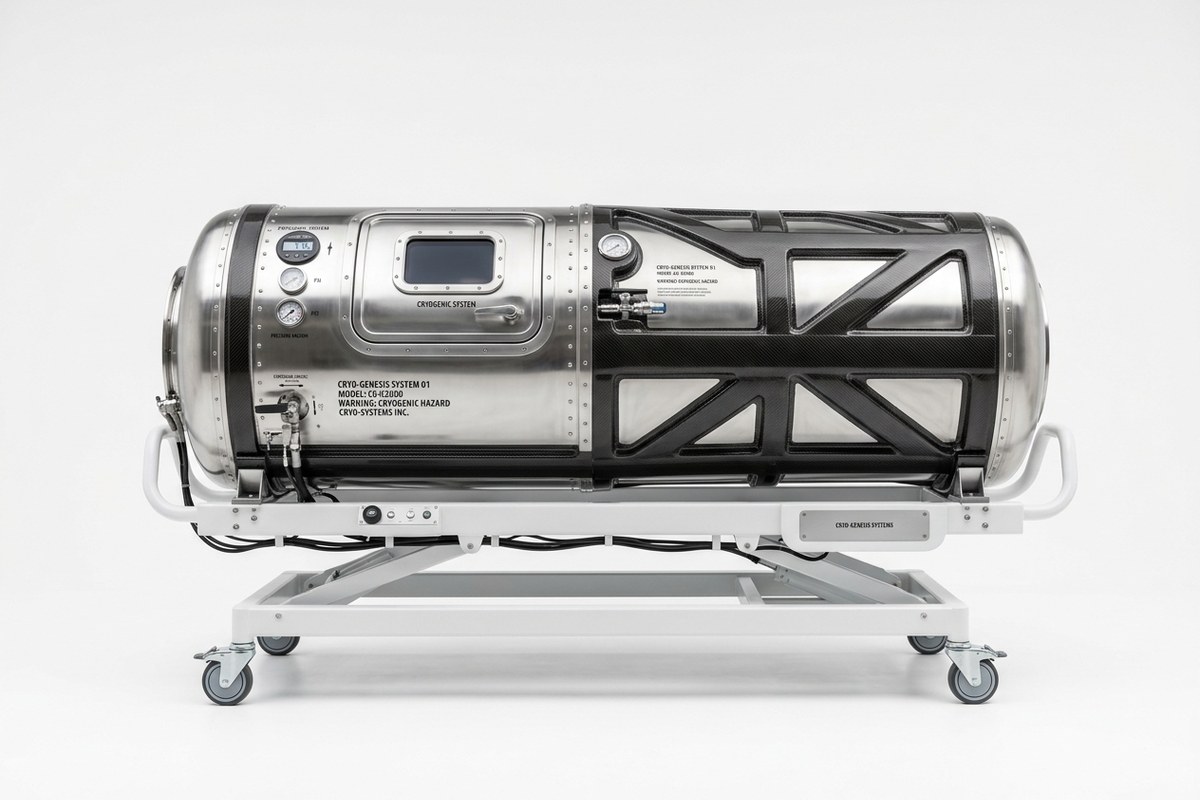
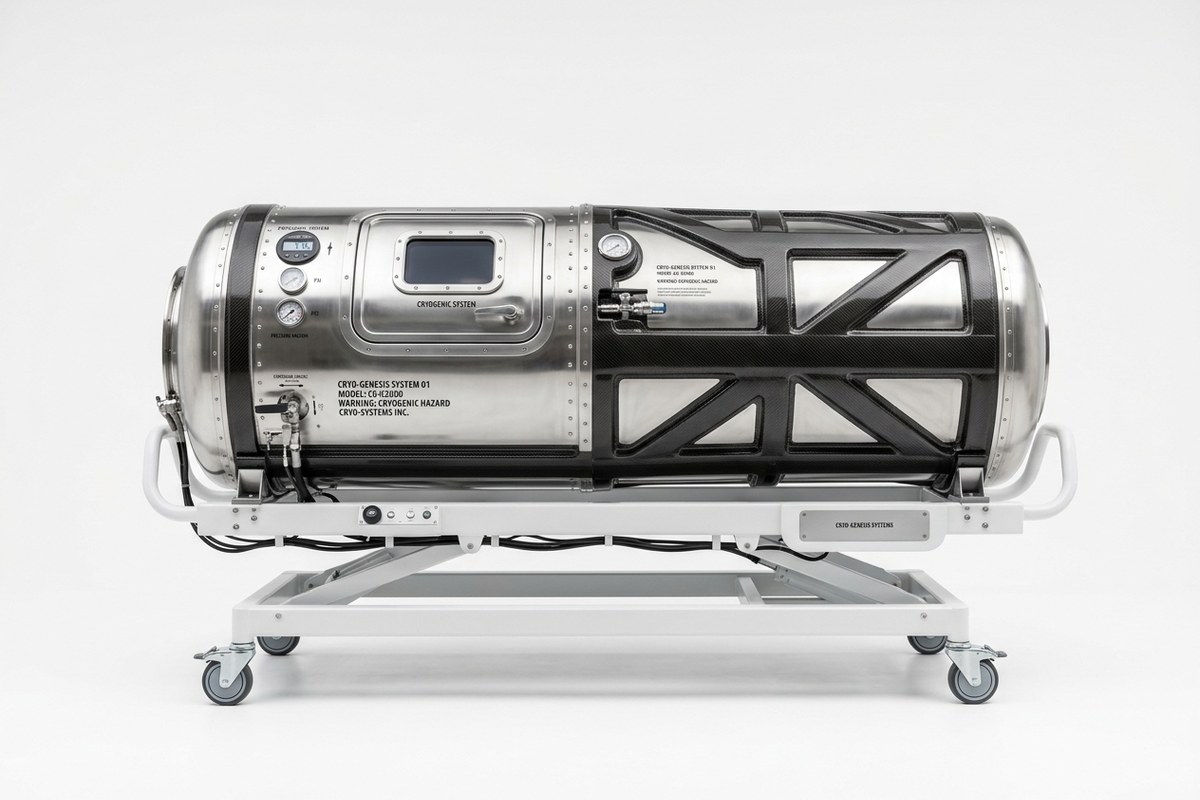
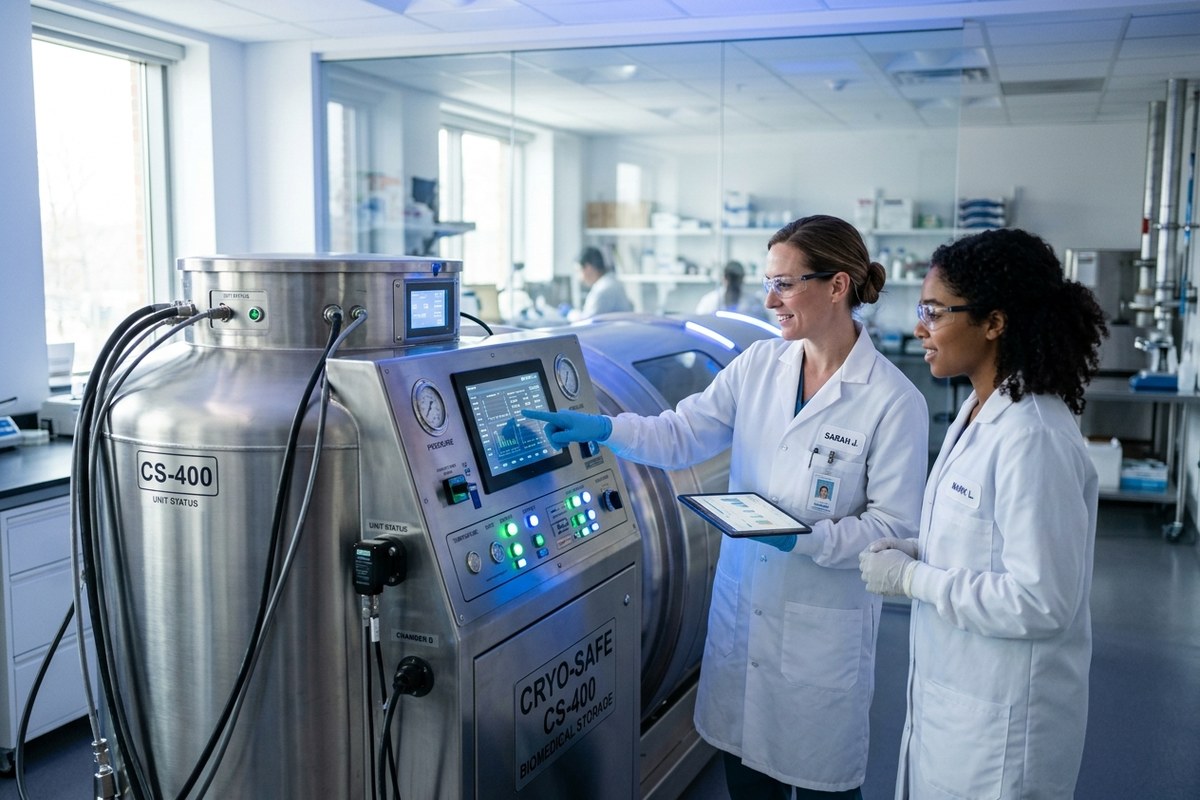
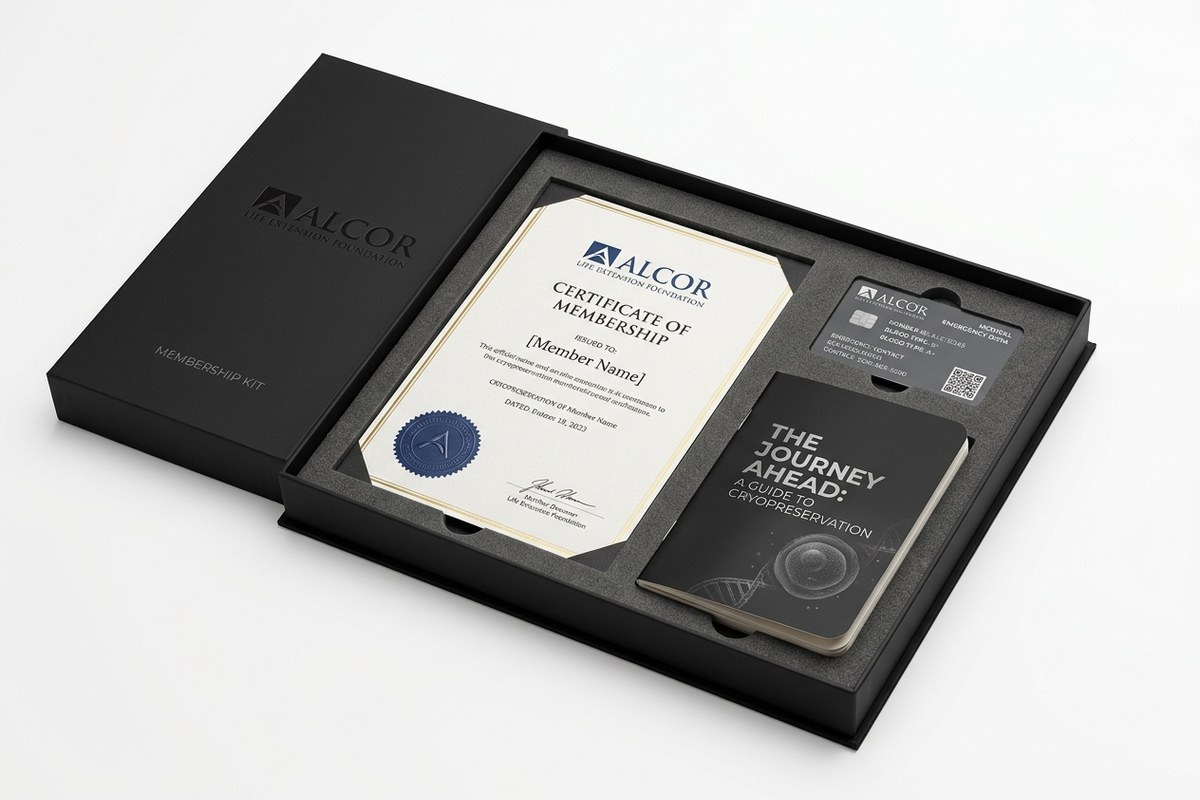
In 2001: A Space Odyssey (1968), the crew of the Discovery One spend the voyage to Jupiter in hibernation pods — suspended, cold, breathing at rates the camera lingers over with appropriate solemnity. The conceit is that suspending biological processes is a solved technical problem; the interesting complication is that HAL can override the pods, which he does. The Alcor Life Extension Foundation, established in Scottsdale, Arizona in 1972, is engaged in the anterior part of that proposition. Suspension is the service they offer. Revival is the part that remains, as of this review, a future product.
To be precise: Alcor preserves patients at -196 degrees Celsius in liquid nitrogen following legal death. The preservation process involves vitrification — replacing body water with a cryoprotective solution to prevent ice crystal formation — and patients are stored in vacuum-insulated dewars at the Scottsdale facility until such time as revival technology exists and is applied to them. The number of patients currently in storage exceeds 200. The revival technology does not currently exist.
What It Is
An Alcor membership is a contract for post-mortem cryopreservation. Two primary tiers are offered: neurocryopreservation (the head only, at US$80,000) and whole-body preservation (US$220,000). Annual membership dues run approximately US$720 for standard membership, which covers the administrative relationship and emergency standby response. The large sums are typically funded through life insurance policies assigned to Alcor — a mechanism the organisation has developed specifically to make the cost manageable across a working lifetime.
The Scottsdale facility maintains 24/7 emergency standby response, meaning that when a member is approaching legal death, an Alcor team mobilises to begin stabilisation and transport as quickly as possible after the declaration. Speed matters in preservation: the protocols aim to minimise the interval between cardiac arrest and the beginning of cryoprotection, as warm ischemia is the primary source of structural degradation. Alcor has documented case reports for each patient on file and maintains medical protocols reviewed by its scientific advisory board.
The Patient Care Trust is held separately from Alcor’s operating funds — a structural decision intended to ensure that long-term patient storage is not dependent on the organisation’s day-to-day financial health. This is a meaningful design choice, and it distinguishes Alcor from hypothetically less structured operations in the same space.
In Practice
The primary flaw in this product is definitional. The service Alcor provides is preservation with the intent of future revival. The preservation component is operational, documented, and carried out with professional rigour. The revival component is not available. The question of what quality of preservation current vitrification techniques achieve, relative to whatever revival technology may eventually exist, is open. The field’s scientific literature contains honest disagreement on this point.
The second flaw is organisational. Long-term storage assumes that Alcor continues to operate in its current form for a duration that is, by definition, unknown. The Patient Care Trust addresses this structurally, but the assumption of multi-generational institutional continuity is embedded in the value proposition in a way that no trust fund architecture fully resolves.
The third flaw is administrative. Cancellation terms are complicated. Members considering whether to withdraw from the programme before need arises should review the membership agreement carefully, including the provisions governing what happens to any insurance policy assigned to Alcor during that period. This is disclosed; it is not simple.
| Whole body | US$220,000 |
| Neurocryopreservation | US$80,000 |
| Annual dues | ~US$720 (standard) |
| Storage temperature | -196°C (liquid nitrogen) |
| Facility | Scottsdale, AZ |
| Current patients | 200+ |
| Standby | 24/7 emergency response |
| Minimum age | 18 |
| Founded | 1972 |
Available through Kessel & Sons Logistics, who handle the membership paperwork and life insurance coordination for international applicants; direct membership with Alcor is also available.
- Professionally operated with documented medical protocols
- Longstanding organisation (est. 1972)
- Patient Care Trust funded separately from operating budget
- 24/7 emergency standby response
- Revival technology does not currently exist
- Preservation quality relative to future revival standards uncertain
- Long-term storage assumes organisational continuity
- Cancellation terms are complicated
The honest position on Alcor membership is that it is an option — a bet placed on a specific future in which both the revival technology and the institutional continuity are realised. The bet is not obviously irrational. The organisation is serious, the science is not pseudoscience, and the alternative to the bet is the default outcome, which has a known result. Whether US$220,000 and annual dues represent good value for an option with an undefined exercise date is a question each member answers according to their own assessment of the probabilities involved.
What Alcor sells, stripped of the philosophical framing, is a professionally managed waiting arrangement. The waiting is very cold, very long, and, as of this writing, without a confirmed end point. HAL is not involved. This is, on balance, probably a point in Alcor’s favour.