HereAfter AI Legacy Avatar
A service that builds a conversational AI model of a living person through extended interviews, for use by family after that person's death.
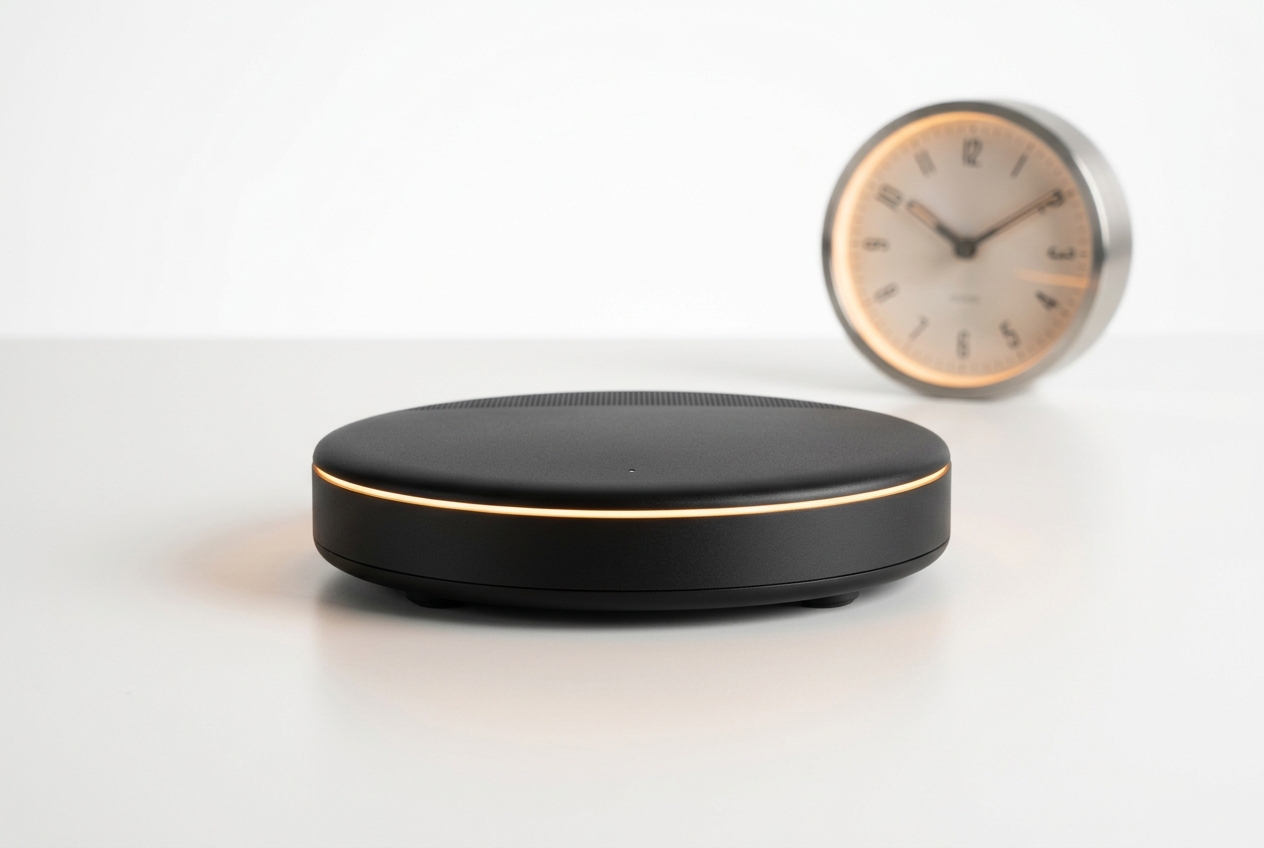
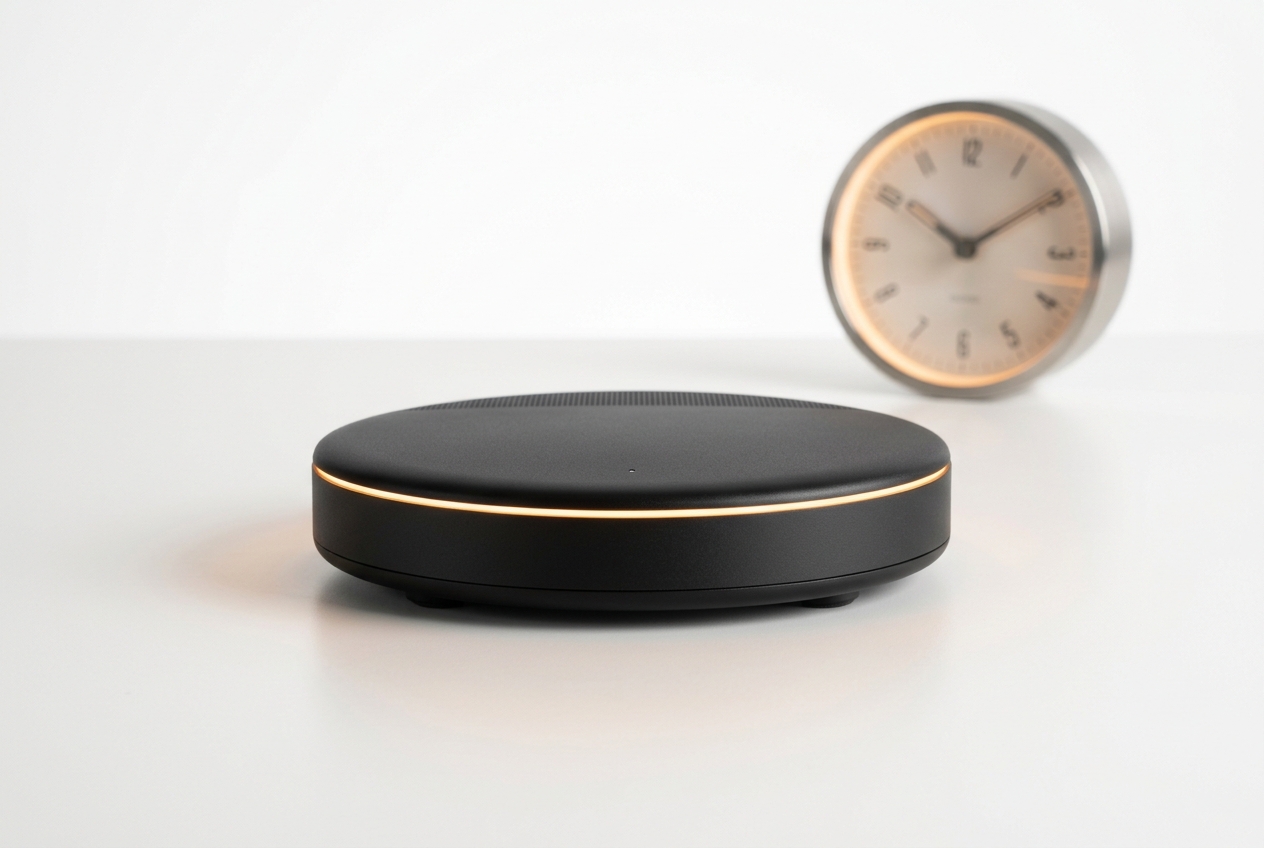
In “Be Right Back,” the 2013 Black Mirror episode, a grieving woman subscribes to a service that trains an AI on her deceased partner’s social media history and text messages, eventually progressing to a physical replica that she keeps in the attic and occasionally argues with. The episode’s thesis — that synthetic continuation is not the same as the thing it replaces, and that the gap between them is emotionally dangerous — is delivered with the programme’s characteristic gentleness, by which I mean it is delivered by having a robot live in someone’s attic.
HereAfter AI is the version of this service that exists in the current product ecosystem, which is to say: it is substantially less uncanny, substantially more thoughtfully designed, and features no physical component. The service builds a conversational AI model of a living person through a series of guided audio interviews conducted by that person while alive. After their death, the avatar is made available to family members via phone or smart speaker. It does not live in anyone’s attic. It does have knowledge boundaries.
What It Is
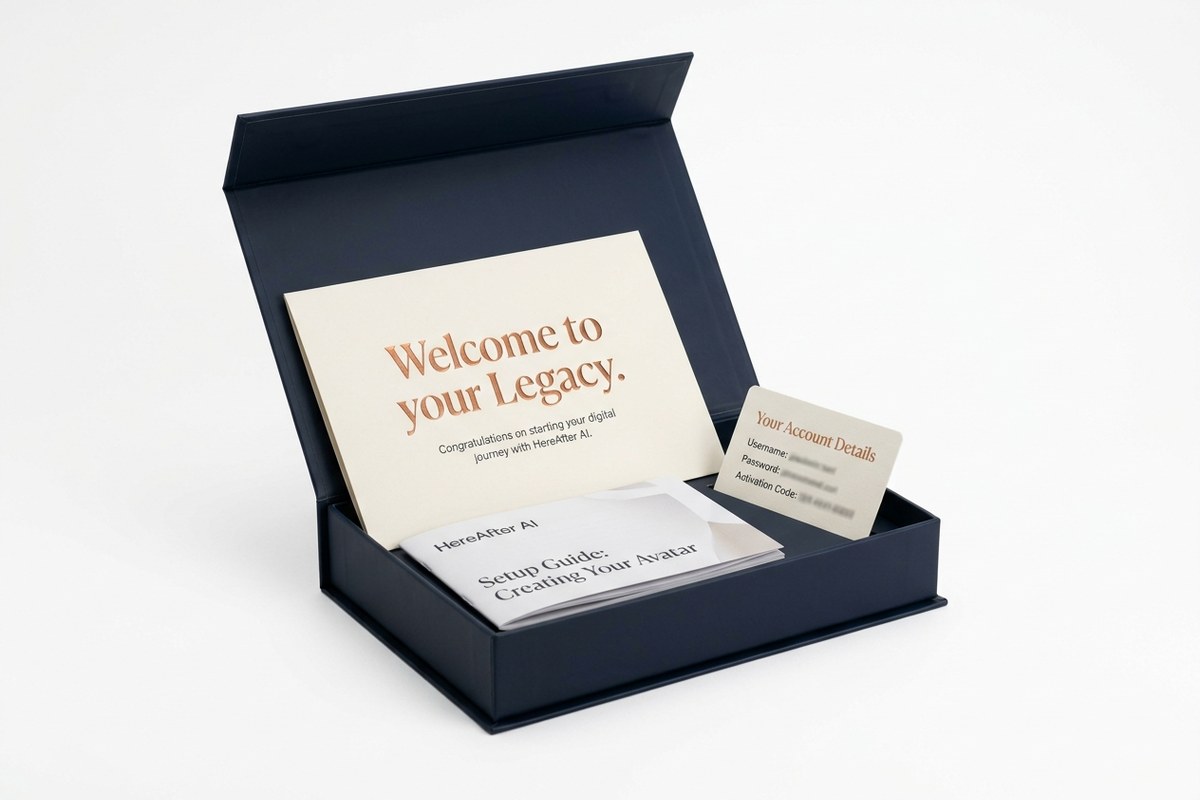
The HereAfter AI process begins during the primary user’s lifetime. The service provides an audio-guided interview framework — structured questions about life history, opinions, memories, relationships, and values — which the user records at their own pace. The recommended total is ten or more hours of recordings, though the system functions below this threshold with reduced breadth. Recordings are stored in encrypted cloud storage, with data ownership vested in the primary user’s estate.
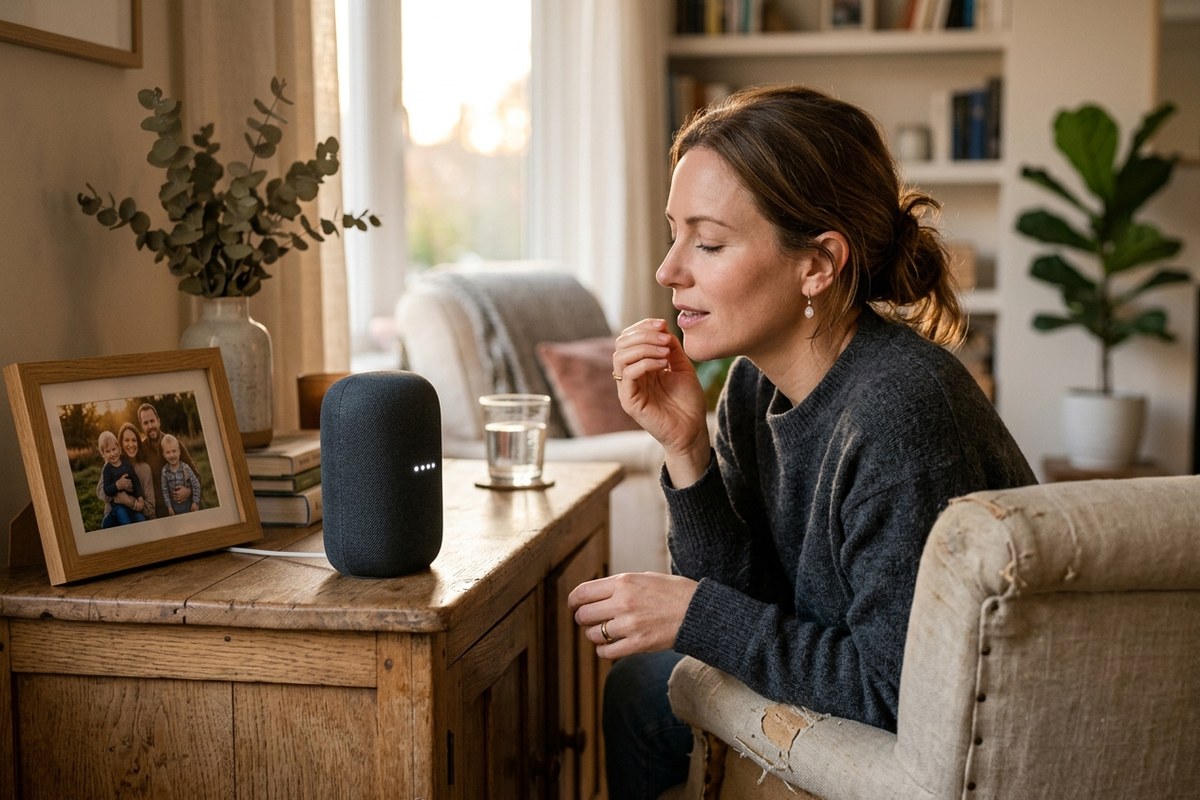
After the primary user’s death, designated family members can access the avatar through phone call or a compatible smart speaker. The avatar responds in the user’s voice — synthesised from the recordings — and draws on the interview content to answer questions, tell stories, and engage in conversation within the bounds of what was captured. The avatar is available in English, with other languages described as in development. Text interaction is also supported.
The US$10 monthly subscription covers cloud processing, storage, and continued access. Data is exportable, which means family members are not permanently dependent on HereAfter AI’s continued operation to retain access to what their relative recorded.
In Practice
The model is static. This is the central operational fact of the service and the point at which the Black Mirror parallel and the HereAfter AI reality most clearly diverge. The episode’s avatar could theoretically update — it had access to new inputs — but the HereAfter AI model is frozen at the point of the primary user’s death. It knows what was recorded during the interviews. It does not know anything that happened after the last session.
In the near term, this matters little. In the medium term, it produces a gap: the avatar cannot speak to the birth of a grandchild it was alive to anticipate, cannot comment on events it would have had opinions about, cannot update its views on any subject. The world continues; the avatar does not. For users who think of the service as a record of a specific person at a specific time, this is a feature. For users who expect conversational continuity, the gap grows measurably.
The recording quality determines avatar quality in ways that are difficult to overstate. An interviewee who speaks naturally and at length produces a recognisable voice and a broad response set. An interviewee who is brief, uncomfortable with the recording format, or unwilling to address personal topics produces an avatar that is narrow and stilted. The setup process is emotionally demanding — recording extensive reflections on your own life in the context of planning for your death requires confronting the context of planning for your death — and many users, in practice, do not reach the recommended ten hours.
| Recording | Audio-guided interviews |
| Recommended hours | 10+ |
| Interaction | Phone, smart speaker, text |
| Language | English (others in development) |
| Storage | Encrypted cloud |
| Subscription | US$10/month |
| Data ownership | Primary user's estate |
| Export | Yes (included) |
Available through Tannhäuser Supply Co.; setup requires the primary user to create an account and begin recordings during their lifetime.
- Carefully designed service for a genuinely difficult use case
- Voice quality recognisable with sufficient recordings
- Knowledge boundary handling is honest and appropriate
- Affordable and exportable
- Model frozen at time of death and cannot address subsequent events
- Recording quality determines avatar quality throughout
- Setup is emotionally demanding and completion rates are variable
- Requires app and subscription for family access
The Black Mirror episode’s argument was not that the technology was bad engineering. The engineering, in the episode’s world, worked. The argument was about what the continuation of a voice and a set of recalled memories offers relative to what grief actually requires, and whether the offer is useful or corrosive. HereAfter AI appears to have thought about this. The service is designed around the interview rather than the social-media scrape precisely because it places the recorded person in control of what they are remembered as saying. The knowledge boundaries are disclosed. The gap between a recorded past and a lived present is documented rather than papered over.
What it produces is not a person. It is a record that can be conversed with — a format that has no precedent and for which the emotional grammar is still being developed, largely by the families who use it. At US$10 per month for access to that record, the financial commitment is light. The other commitments are not.